1.What was your perception of media before this lesson?
My perception of media before this lesson is media is give as a information weather if it is facts or bad news.Media is give us a more knowledge to search and give more information to us.The word media refers to any form of communication that delivers information. Common media outlets include newspapers, radio, television, magazines and internet sources like blogs or online publications.Media has become a part of our life and it has great influence in our day to day life. They are powerful in a sense that, they even control our thoughts and actions. We decide to buy products on the basis of advertisements. In the modern world, we depend upon media to get a clear picture about our society and the rest of the world. Our perception about the world is influenced by the media. The media can shape public opinion by publicizing certain stories or stressing certain aspects of stories. Mass media is supposed to play crucial role in building healthy public opinion on all crucial issues of public interest and welfare. But lately, media has been suffering from subjectivity. I agree with what Mr. Salam Hasan Ramdan Hajjeh Hajjeh stated. Irony it is that we are living in the ability to see for ourselves the truth that media provides but at the same time, maybe the real truth that we should be seeing put us under pressure as well as gives us responsibility to be cautious of what kind of media or source we should count on.
2.What is your view of Media now?
My view of media now is give as a news for everyday and media help us to improve our knowledge.media is also give us a news updates like good news, and bad news.The word media refers to any form of communication that delivers information. Common media outlets include newspapers, radio, television, magazines and internet sources like blogs or online publications.Media has affect our society and real life as the growing of new technology nowadays become more powerful. Before, it takes time to deliver a word or a message to someone but thanks to technology, our everyday life has gotten easier. Today, information is just at our fingertips. Most people nowadays have their own gadget or smartphone, therefore they can get the news in anytime. People become more active in media because of the freedom in giving comment about any issues.The mass media and all media in general have a heavy influence and impact on individuals and society, as many people rely on the media as a source of information without even thinking whether it is true or not. That is to say that since the usage of media has evolved, falsehoods are deliberately spread online. Furthermore, he media is a very powerful weapon that can quickly change people’s perspectives and beliefs in few minutes. For instance, a news report concerning opposing teams conflict many cover and focus only on one side of the story and ignore or fail to mention the other part which will make the viewers pity with one side and neglect the other side. Media may influence opinion, but to what extent and how reliably it is, is really too difficult to say. Some argue that it only influences those susceptible to be influenced, others say that people are only ‘influenced’ when the media agrees with what they already believe, whereas the Nazis famously believed that if you say something often enough (in the media) people will eventually come to believe it, regardless of its connection to the truth.
1.What is the most relevant functions of media to you?why?
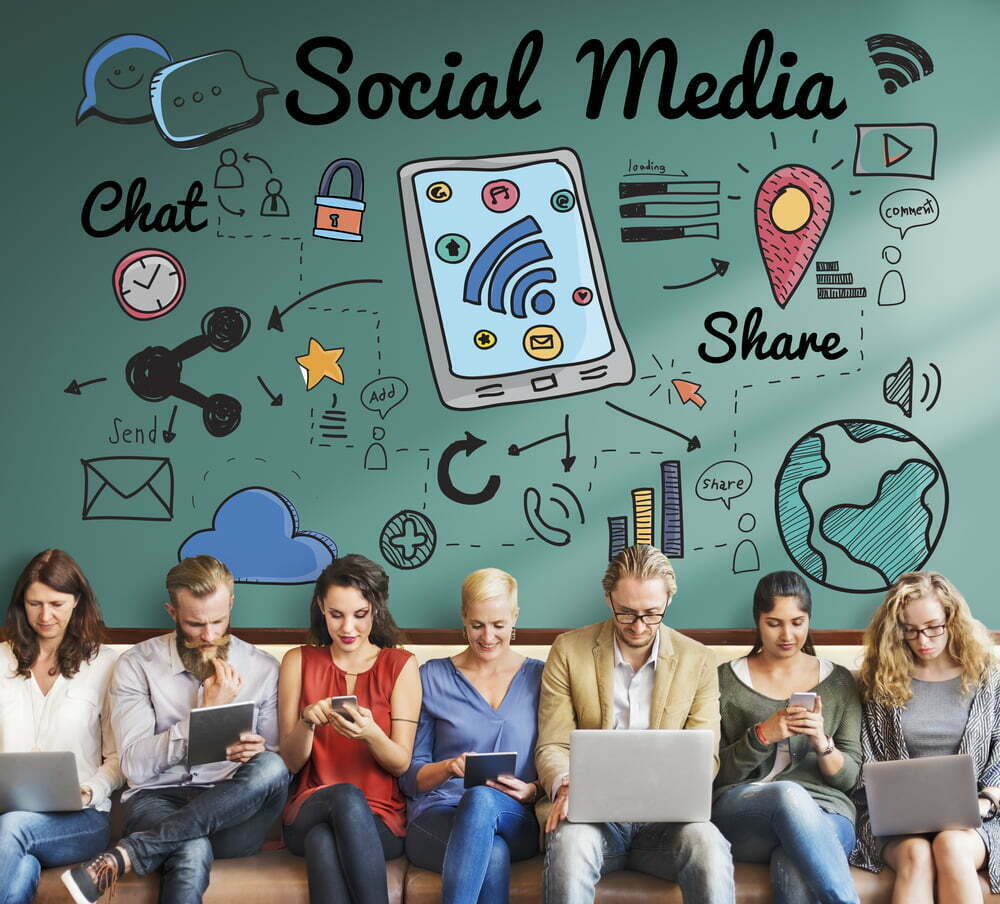
Sending and sharing of information is the major function of media. Since information is knowledge and knowledge is power, media offer authentic and timely facts and opinions about various event and situations to mass audience as informative items.The media reports the news, serves as an intermediary between the government and the people, helps determine which issues should be discussed, and keeps people actively involved in society and politics.Media literacy is essential because it helps people understand the messages that are being communicated to them. With so many sources of information today, media literacy can help people identify reliable sources and filter through the noise to get at the truth.
2.Can you recall a recent situation where in media and information literacy could have been useful?
Well you know people of the universe, media and Information literacy has been useful nowadays because of the reason that our technology is evolving and improving.. For me, the situation that i can still recall wherein media and information literacy has been useful was when me and my friends needs to do something for our church.. It is when we need to share some informations and announcements regarding to our thanksgiving. So what we did was we wrote those informations in a piece of bondpaper and rewrite it in a WPS or word office and print it out. It is indeed very useful that day because it makes our way easier on how to share or distribute announcements and informations to those persons who are involved in our assembly. It is indeed legit that our technology specially our media nowadays are indeed improving time and time. Well it is a good thing ofcourse because, it can help us make our things or stuffs more easier than before. Each of us should be greatful of what we have in our present. So yeah, enjoy exploring and continue using our media world people. Godbless us all lovelies.
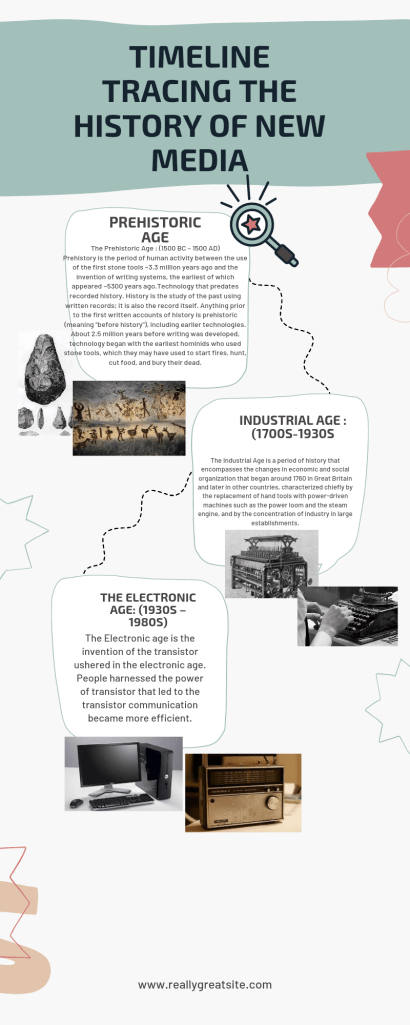
CODES
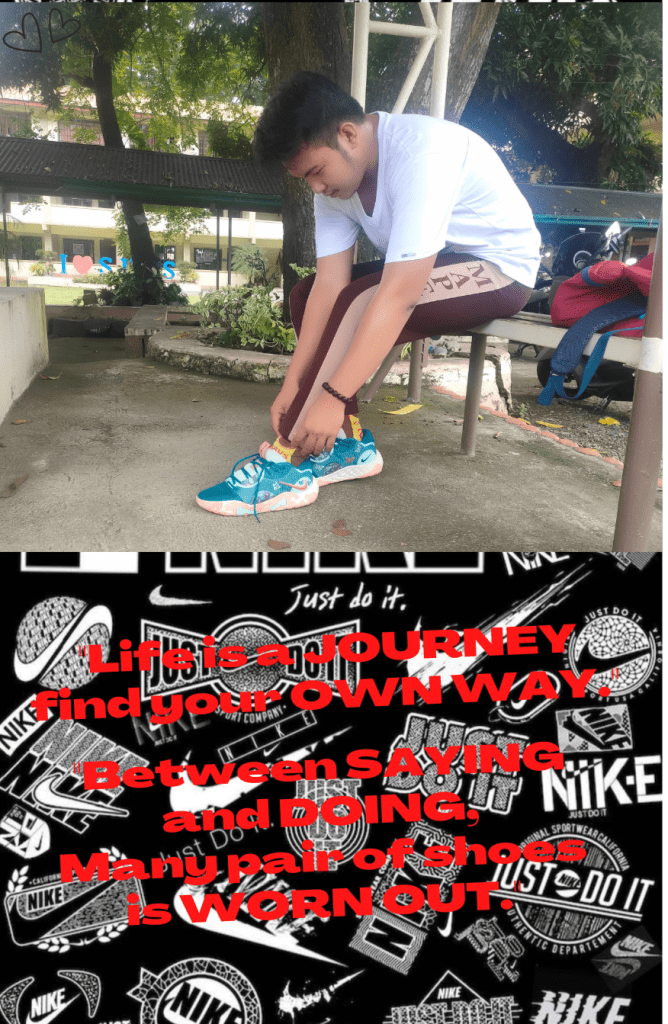
Shoes can provide us with support and comfort we need. It is symbolic of our lives It represent a significant meaning of paths, hardships, and dreams. And also shoes are the physical and symbolic embodiment of the past, present and future paths we walk.The best shoe can help us function while the wrong shoe can really screw things up! So try not to get caught up in all of the wonderful features shoe companies promote because they’ll never be as good as what we have inside of us.

QUESTIONS
1.)How media and information affect the economy?
2.)How is media useful to the economy?
3.)Is media has an impact to society?
4.)Why media is important in politics?
5.)How does media influence the economy?
RESPONDENTS ANSWER:
RESPONDENT 1:(Rose Manuel)
1.)Social media is deeply linked to a series of platforms (Facebook, YouTube, etc.) that control distribution. They are the plumbing that allows (or doesn’t allow) content to spread.Facebook and Google, for example, control almost 60% of all online media spending now.
2.)Media improves the efficiency of the economy by providing actors more and better information with which to make decisions and improving stability .
3.)The negative effects of media on society can lead people towards poverty, crime, nudity, violence, bad mental and physical health disorders and others as such severe outcomes and the Positive effects of it is social media can make it easy to find groups of like-minded people or make new friends.
4.)Social media, or more specifically news media plays an important role in democratic societies because they allow for participation among citizens. Therefore, when it comes to healthy democratic networks, it is invaluable that that news remains true so it doesn’t affect citizens’ levels of trust.
5.)The author found that social media has increased opportunities for long-distance business and may increase domestic GDP(Gross Domestic Products) levels. Social media opens up a new way of living and doing business, and it will continue to develop in the future.
RESPONDENT 2:(Mykee Fulgencio)
1.) It makes it easier for the economy to improve. Prior to social media, you had to pay to get information about your company out there. Every person and company is now their own media brand, and there are significantly fewer barriers to reaching out to people. This has made it much easier for smaller brands to gain a foothold in the market.
2.)Prior to smartphones and social adoption, it was much more difficult (and expensive) to reach people, especially if your location wasn’t on a main street but with media and information we see trends like craft beer, food trucks, and local fashion brand easily, it is often the result of leveraging social media platforms to build a following in a cost-effective manner.
3.)Yes, because other than impacting the economy, the social interactions nowadays is so easy also. Just from a few click and tap you can now socialized with other people from a far.
4.) It is important for politics because it is almost always majority of the population of a place are using media to communicateand in order for the politics to communicate with the people they are governing they need to use it also.
5.)By disrupting the traditional advertising model, and these media platforms have become some of the world’s biggest companies by market capitalization as a result. Even though these platforms are dominating, they also provide a whole new ecosystem for entrepreneurs to build off.
RESPONDENT 3:(Althea Francisco)
1.)For me, media and information have shown a positive impact on our economy. It allows people’s works to communicate and grow with one another.
2.)They allow people to express their diverse views on governance and reform, and they aid in the formation of public consensus in order to create change. Such media facilitates the operation of markets. They have the potential to facilitate trade by transmitting ideas and innovation across borders.
3.)Yes, because other than impacting the economy, the social interactions nowadays is so easy also. Just from a few click and tap you can now socialized with other people from a far.
4.)Political parties now have the ability to reach a large number of people and inform them on key issues ranging from policies to elections, thanks to the media. The media can be viewed as a facilitator of democracy; more educated voters would result in a more legitimate government.
5.)Media increases economic efficiency by providing actors with more and better information with which to make decisions and by improving economic stability.
RESPONDENT 4:(Kyla Pearl Fontanilla)
1.)Media and information plays a big role in the economy serving as a tool for a wide range of communication and a platform in dealing with economic activities and/or business deals (globalization).
2.)Media is unquestionably beneficial for communication in business world. It connects people in a larger group which helps transactions or production for goods and services easier and faster.
3.)absolutely, it affects the lifestyle of all the people in all aspects.
4.)one beauty of media is that it provides transparency when it comes to political matters. It keeps people are aware from social issues of their own county.
5.)Media is powerful, it improves the quality of economy. It is useful for country’s progression due its advanced features in terms of communication and information.
RESPONDENT 5:(Arriane Lopez)
1.)Social media is deeply linked to a series of platforms (Facebook, YouTube, etc.) that control distribution. They are the plumbing that allows (or doesn’t allow) content to spread.Facebook and Google, for example, control almost 60% of all online media spending now.
2.)Media improves the efficiency of the economy by providing actors more and better information with which to make decisions and improving stability.
3.)The negative effects of media on society can lead people towards poverty, crime, nudity, violence, bad mental and physical health disorders and others as such severe outcomes and the Positive effects of it is social media can make it easy to find groups of like-minded people or make new friends.
4.)Social media, or more specifically news media plays an important role in democratic societies because they allow for participation among citizens. Therefore, when it comes to healthy democratic networks, it is invaluable that that news remains true so it doesn’t affect citizens’ levels of trust.
5.)The author found that social media has increased opportunities for long-distance business and may increase domestic GDP(Gross Domestic Products) levels. Social media opens up a new way of living and doing business, and it will continue to develop in the future.


 Site Title